
TPS Big agent logo
  • About Agency
  • Agency Plans
  • Rules
  • Why Join
  • How to Join
  • Big Agent India
  • Steps
TPS Big agent logo
DOWNLOAD GAME
TPS menu Icon

HomeAffiliate Program

Posts tagged: Affiliate Program

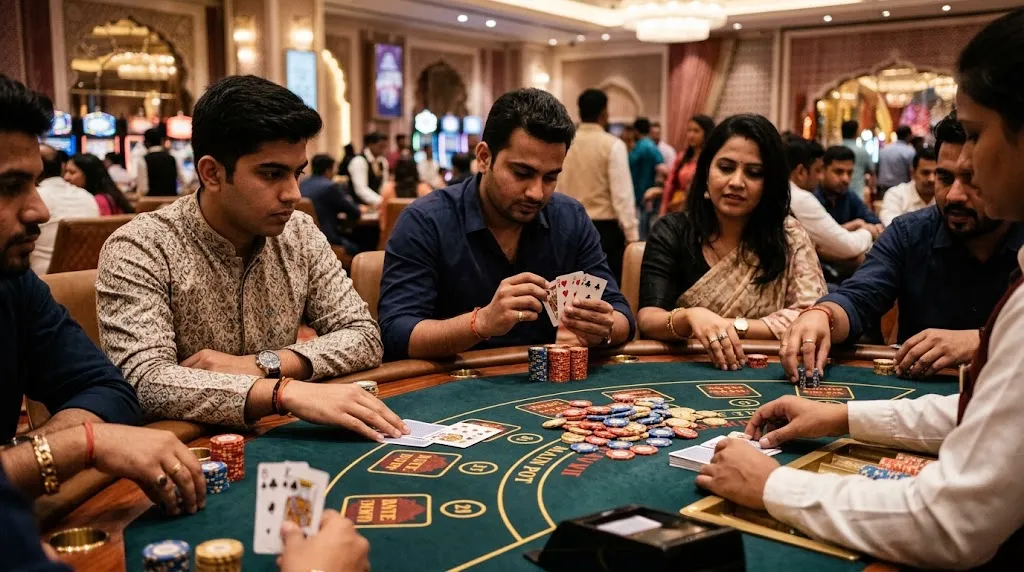
Popular Teen Patti casino variations played on an Indian card table

Teen Patti Casino Variations: Popular Versions Explained

September 13, 2026
by Rosh Blog

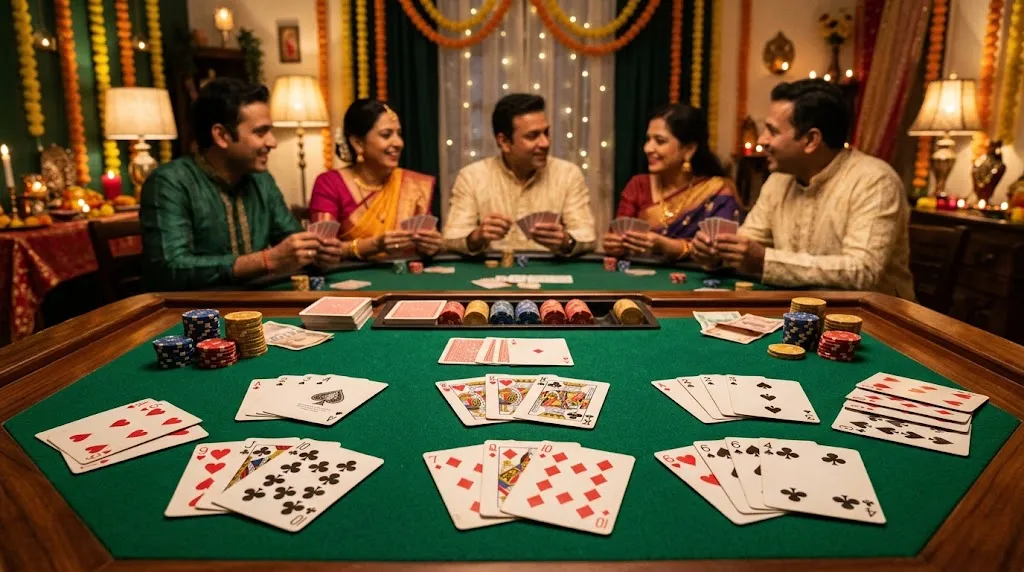
Popular Teen Patti casino variations played on an Indian card table

Teen Patti remains one of India’s most loved card games, whether it’s a family gathering during Diwali, a late-night session with friends, or a real-money table on an online casino app. While the classic three-card game is fun on its own, the real excitement often comes from teen patti casino variations. These twists keep the game fresh, change the strategy, and give every player a fair shot at the pot.

Here’s a clear, practical look at the most popular versions you’ll find in Indian homes and online casinos right now.

Classic Teen Patti – The Foundation

Everyone starts here. Three cards are dealt face down. Players can play blind (without looking) or seen (after checking cards). The strongest hand wins according to the usual ranking: Trail (three of a kind), Pure Sequence, Sequence, Colour (flush), Pair, and High Card.

Blind players pay half the stake of seen players, which creates interesting pressure. This version still dominates casual play across India and forms the base for almost every variation.

Muflis (Lowball) – When the Weakest Hand Wins

Muflis flips everything. The lowest hand takes the pot. A high-card hand that would normally lose becomes powerful, while a Trail of Aces becomes the worst possible holding.

This variation is especially popular in Indian home games because it gives hope to players who keep getting poor cards. Strategy shifts completely — you start valuing “raddi” hands and thinking about how low you can go. Many online platforms list Muflis as one of their most played tables.

AK47 – Multiple Wild Cards for Explosive Hands

Named after the famous rifle, AK47 turns Aces, Kings, 4s and 7s of every suit into wild cards (jokers). That means up to 16 wild cards in the deck. Strong hands appear far more often, and pots grow quickly.

A hand like A-K-4 can become a Trail of Aces. Bluffing becomes riskier because someone is almost always holding a strong combination. This version is a favourite on Indian online casinos and mobile apps for its fast, high-action feel.

Joker (or Random Joker) – Unpredictable Wilds

After the cards are dealt, the dealer (or the system online) reveals one random card. Every card of that rank becomes a wild for the round. The joker changes every hand, so no two rounds feel the same.

This variation rewards quick thinking. You must re-evaluate your hand the moment the joker is revealed. It’s widely available on both social and real-money platforms popular with Indian players.

Best of Four – More Cards, Better Choices
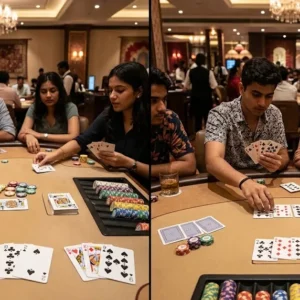
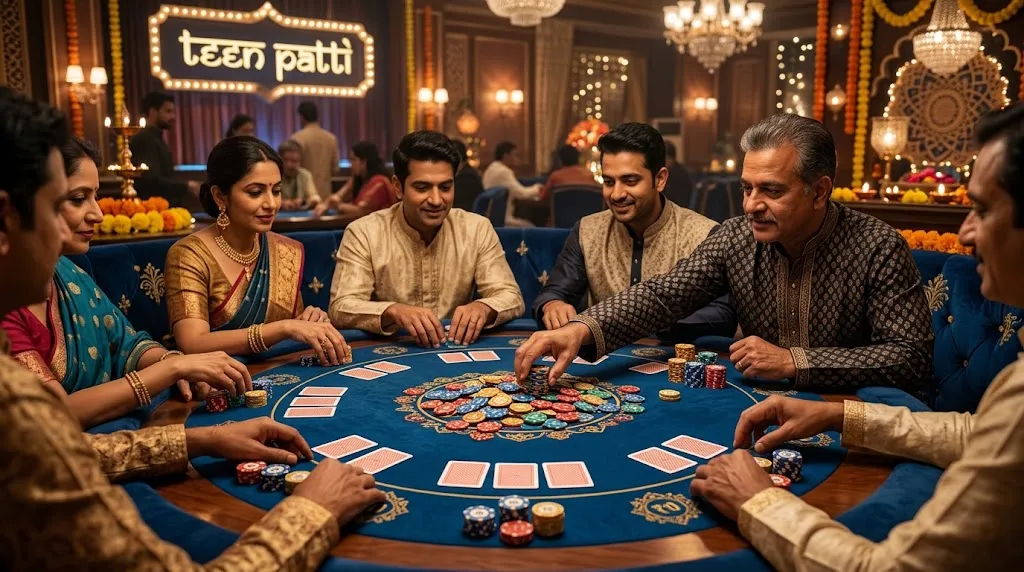
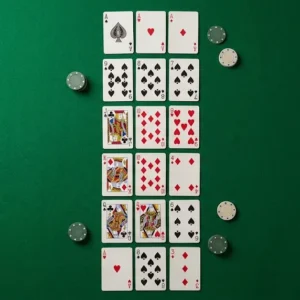
Teen Patti Joker and Best of Four variations with wild cards and four-card hands

Each player receives four cards and must select the best three-card combination, discarding one. This reduces pure luck and rewards better hand reading. Trails and pure sequences appear more frequently than in the classic game.

Many players prefer this version when they want slightly more control over their final hand.

Other Popular Teen Patti Casino Variations in India

A few more versions appear regularly on Indian platforms and in casual play:

  • 999: Cards have point values (face cards = 0, Ace = 1, others = face value). The goal is to get as close as possible to 999 or three 9s. It feels a bit like a mix of Teen Patti and baccarat-style scoring.
  • 4x Boot: Same rules as classic, but the starting stake (boot) is four times higher. Pots build faster and the tension rises quickly.
  • Auction: One open card acts as a potential joker. Players can bid to “buy” better cards under certain conditions.
  • Faceoff / Highest Cards Only: Only Aces, Kings, Queens, Jacks and Tens matter in some versions, forcing players to focus on premium ranks.

These variations keep the core Teen Patti experience while adding just enough change to stay interesting.

Why Teen Patti Variations Thrive in India

The game travels well from living rooms in Delhi, Mumbai, Bangalore and smaller towns to online tables. During festivals like Diwali and Holi, families switch between classic and Muflis or AK47 to keep everyone involved. Online casinos and apps catering to Indian players usually offer multiple variations, support INR deposits and withdrawals, and provide Hindi interfaces — making it easy for local players to jump in.

Local preferences lean toward versions that either reverse rankings (Muflis) or add wild cards (AK47 and Joker), because they create more action and second chances.

Quick Tips for Playing Different Variations

Player adjusting strategy for different Teen Patti casino variations

  • Learn classic rankings first. Every variation builds on them.
  • In Muflis, stop chasing strong-looking hands.
  • In AK47 and Joker, expect more Trails and Sequences — adjust your betting accordingly.
  • Manage your bankroll tightly when pots grow faster (especially 4x Boot or high-joker games).
  • On online platforms, always check the specific house rules before you sit, as small differences exist between apps.

Frequently Asked Questions

What are the most popular teen patti casino variations in India?

Muflis, AK47 and Joker currently lead both home games and online tables.

Can I play these variations for real money?

Yes, many licensed or popular platforms available to Indian players offer real-money tables in these versions. Always review your state’s local laws. 

Which variation is best for beginners?

Try Muflis after the traditional Teen Patti. It uses the same rules but reverses the goal, so the learning curve stays gentle.

Do the same hand rankings apply everywhere?

No. Muflis completely reverses them. Point-based versions like 999 ignore traditional rankings altogether.

Teen Patti casino variations keep India’s favourite three-card game exciting year after year. Whether you’re playing for fun at home or testing your skills online, trying Muflis, AK47, Joker or Best of Four adds new layers without losing the simple charm that made Teen Patti popular in the first place. Next time the cards come out, suggest a variation — the table will thank you.


Read More
Teen Patti Casino Showdown Rules

Teen Patti Casino Showdown Rules: How Winners Are Decided

September 13, 2026
by Rosh Blog

Teen Patti Casino Showdown Rules

Teen Patti remains one of India’s most loved card games, whether played around a family table in Mumbai, at Diwali gatherings in Delhi, or on licensed online platforms. At the heart of every exciting round sits the showdown—the moment when remaining players finally reveal their cards and the winner takes the pot. Understanding teen patti casino showdown rules helps players make smarter decisions, avoid costly mistakes, and enjoy the game the way it is meant to be played across India.

This guide explains exactly how winners are decided in the showdown, including the key differences between blind and seen play, cost of requesting a show, hand rankings, and what happens in case of a tie. The rules described here reflect the most widely followed version used in homes, clubs, and many online Teen Patti tables popular in India.

When Does a Showdown Happen?

A showdown (commonly called “Show”) can take place only when exactly two players remain in the hand. All other players must have folded. If only one player is left, that player wins the entire pot automatically—no cards need to be shown. This rule rewards strong bluffing as much as strong hands, which is why Teen Patti feels so lively at Indian tables.

Once two players are left, either of them can request a Show on their turn, subject to specific conditions based on whether they are playing blind or seen.

Cost of Requesting a Show

The amount a player must pay into the pot to force the showdown depends on their status:

  • Both players blind: Either player can request the Show by paying 1× the current stake.
  • One blind, one seen: Only the blind player is allowed to request the Show. The cost is 1× the current stake. The seen player cannot force a show and must either continue betting or fold.
  • Both players seen: Either player can request the Show by paying 2× the current stake.

After the payment is made, both players reveal their three cards. The higher-ranking hand wins the full pot.

How Hands Are Ranked in the Showdown

Winners are decided strictly by hand strength. The standard ranking order used across most Indian tables and online platforms is:

  1. Trail (Three of a Kind) – Three cards of the same rank (A-A-A is the strongest).
  2. Pure Sequence (Straight Flush) – Three consecutive cards of the same suit (A-K-Q suited is highest; A-2-3 suited ranks next in many house rules).
  3. Sequence (Straight) – Three consecutive cards of mixed suits.
  4. Colour (Flush) – Three cards of the same suit, not in sequence.
  5. Pair – Two cards of the same rank plus one kicker.
  6. High Card – None of the above; the highest card (or combination of high cards) decides.

When two hands are of the same type, the higher cards within that type win. For pairs, the pair rank is compared first, then the kicker. For sequences and pure sequences, the highest card in the run usually decides. Always confirm any local house variations before play begins, especially in private games across different cities.

What Happens in a Tie?

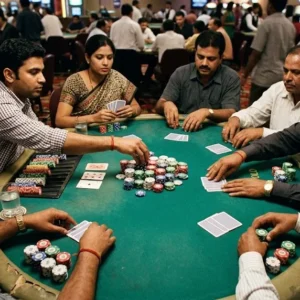
Teen Patti casino gameplay at an active three-card table

This is one of the most important parts of teen patti casino showdown rules. If both players reveal hands of exactly equal rank and value, the player who did not pay for the Show wins the pot. The player who requested the show loses the tie. This rule adds genuine risk to calling for a show and prevents players from forcing comparisons lightly.

Note that some online platforms or specific casino variants may handle exact ties differently (for example by splitting the pot). Always check the table rules displayed on the platform you are using.

Difference Between Show and Sideshow

Players often confuse the final Show with a Sideshow (also called Compromise or Backshow). They are different:

  • A Sideshow can only be requested when three or more players are still active and both involved players have seen their cards. It is a private comparison with the previous bettor. The weaker hand must fold. If the hands are equal, the player who requested the sideshow folds.
  • The Show is the final public reveal that happens only between the last two players and decides the winner of the entire pot.

Sideshows are strategic tools used earlier in the hand to eliminate weaker opponents without ending the round. Many fast online tables in India limit or disable sideshows to keep games moving quickly.

Practical Tips for Indian Players

  • Play blind carefully when only two players remain. A blind player holds the power to force a show more cheaply and can put pressure on a seen opponent.
  • Never request a show with a marginal hand if you are the one who has to pay double the stake. The tie rule works against the requester.
  • Agree on hand rankings and tie rules at the start of any private game, especially during festive gatherings in different regions of India where minor local variations exist.
  • On online platforms, read the specific table rules. Most reputable sites follow the classic structure described above, but stake limits, blind play restrictions, and exact tie handling can differ.

Why These Rules Matter

Difference between a Teen Patti sideshow and final showdown

The showdown is where skill, nerve, and a bit of luck meet. Understanding teen patti casino showdown rules lets you decide when to press for a reveal, when to fold, and when a bluff has done its job. Whether you are playing casually with friends in Bengaluru, at a family event in Kolkata, or on a regulated online table, clear knowledge of how winners are decided keeps the game fair and exciting.

Master the ranking order, respect the cost differences between blind and seen play, and remember the tie-breaker: the player who did not pay for the show wins equal hands. That combination of knowledge is what separates confident players from those who leave money on the table.

Play responsibly, enjoy the thrill of the reveal, and may your next showdown end with the pot coming your way.

Read More
Teen Patti casino blind vs seen players during a betting round

Teen Patti Casino Blind vs Seen: Key Differences Explained

September 13, 2026
by Rosh Blog

Teen Patti casino blind vs seen players during a betting roundIf you play Teen Patti online or offline in India, the choice between Blind and Seen is one of the first real decisions you make every hand. It shapes how much you risk, how much information you have, and how opponents read you. Understanding teen patti casino blind vs seen is essential for better bankroll control and sharper decisions at Indian tables.

What Blind and Seen Actually Mean

In Teen Patti, every player receives three cards face down after the boot (ante) goes into the pot.

  • Blind means you deliberately keep your cards face down and bet without looking. You play purely on position, table dynamics, and instinct.
  • Seen means you look at your three cards first, then decide whether to continue, raise, or pack (fold).

You can start Blind and switch to Seen later on your turn by looking at the cards. Once you look, you stay Seen for the rest of that hand. You cannot go back to Blind.

This mechanic is a core feature of Teen Patti played across India — whether at home gatherings in Delhi, Mumbai clubs, or popular online platforms popular with players from Bangalore, Hyderabad, and beyond.

Betting Amounts: The Biggest Practical Difference

Betting rules differ clearly between Blind and Seen players. Exact numbers can vary slightly by house or platform rules, but the standard structure used in most Indian Teen Patti games is:

Aspect

Blind Player

Seen Player

Minimum bet

Equal to current stake (1x)

Double the current stake (2x)

Maximum bet / raise

Up to 2x current stake

Up to 4x current stake

Effect on next stake

Your full bet becomes the new stake

Half of your bet usually becomes the new stake for the next player

Cost advantage

Lower risk per round

Higher commitment required

In simple terms, a Blind player can stay in cheaper. A Seen player pays roughly double to continue with full information. This cost difference is why many experienced Indian players open Blind more often in the early stages of a hand.

Show and Sideshow Rules

These also change based on status:

  • Blind players generally cannot request a sideshow.
  • Only Seen players can ask for a sideshow against another Seen player (when three or more players remain). The opponent can accept or refuse.
  • When only two players remain, either can force a show. The cost is usually lower for a Blind player (often 1x the current stake) than for a Seen player (commonly 2x, or higher if facing a Blind opponent).

These rules add another layer of strategy unique to Teen Patti.

Strategic Differences for Indian Players

Teen Patti player deciding between blind and seen strategies

Playing Blind

  • Keeps opponents guessing — they cannot read your reaction to the cards.
  • Lowers the average amount you put into the pot.
  • Useful early in a hand or when you want to apply pressure cheaply.
  • Higher risk because you have zero information about hand strength.

Playing Seen

  • Lets you make informed decisions based on actual hand rankings (Trail, Pure Sequence, Sequence, Colour, Pair, High Card).
  • Allows sideshows and more precise pot control.
  • Costs more every time you continue.
  • Best when you hold a strong or playable hand and want to build or protect the pot.

Strong players in Indian online rooms often mix both approaches. Starting Blind to keep costs low, then switching to Seen only when the cards (or the pot size) justify the extra investment, is a common and effective pattern.

Why This Matters for Indian Online and Local Play

Teen Patti remains one of the most popular card games in India, both casually and on digital platforms. The Blind vs Seen decision is the same whether you are playing a friendly game in a Kolkata living room or on a regulated online table accessible from major cities. Knowing the exact cost difference and show rules helps you manage your stack better and avoid over-committing with weak hands.

Local house rules in different states or friend groups sometimes tweak the multipliers slightly, so always confirm the table rules before the first deal. Online platforms usually display the current stake and your status (Blind/Seen) clearly on screen.

Quick Tips to Use Blind and Seen Effectively

Teen Patti player switching from blind to seen after looking at cards

  • Open Blind more often when the table is passive or when you want to keep your average cost per hand low.
  • Switch to Seen quickly with strong holdings so you can raise meaningfully and request sideshows if needed.
  • Watch how often opponents stay Blind — consistent Blind play can signal either tight cost control or aggressive bluffing.
  • Never forget you can only move Blind → Seen, never the other way.

The Blind vs Seen choice is what makes Teen Patti feel distinctly Indian and different from pure Western poker variants. Mastering when to stay in the dark and when to look is one of the clearest ways to improve your results over time.

Whether you play casually with friends or on online Teen Patti tables popular across India, understanding these key differences gives you a real edge in every hand.

Read More
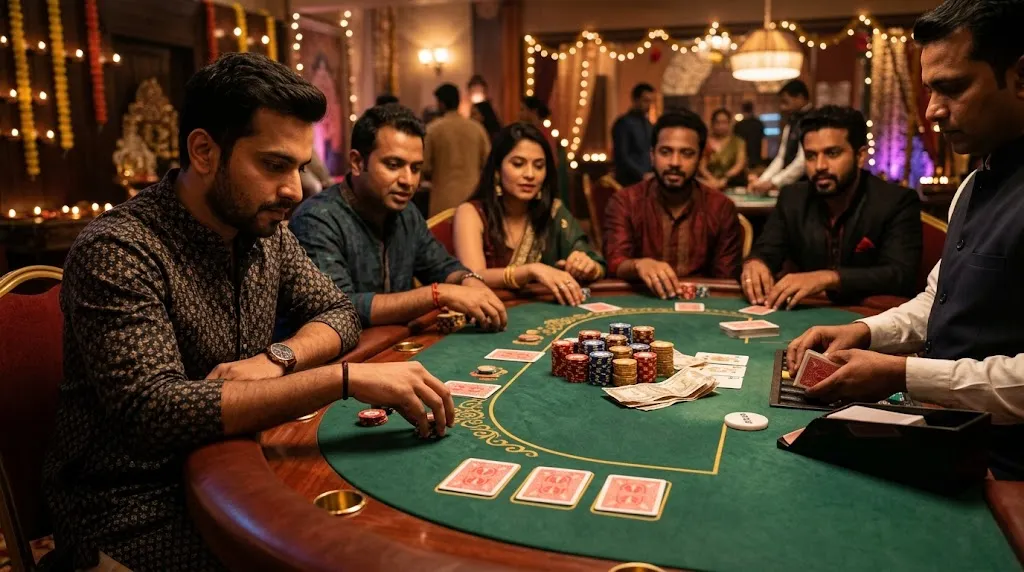
Teen Patti casino betting rounds with players placing chips around the table

Teen Patti Casino Betting Rounds Explained Step by Step

September 13, 2026
by Rosh Blog

Teen Patti casino betting rounds with players placing chips around the tableIf you’ve ever sat around a table in India during Diwali or a family gathering and heard someone shout “Chaal!” or “Pack!”, you already know the vibe of Teen Patti. Online, the same excitement hits the digital tables, but the betting rounds follow clear rules that decide who walks away with the pot.

This guide breaks down teen patti casino betting rounds in plain language so you can follow every move, whether you’re playing for fun or real stakes on Indian-facing platforms.

1. The Boot (Ante) – Everyone Pays to Start

Before any cards appear, every player puts the same fixed amount into the pot. This is called the boot or ante.

Think of it as the entry ticket. If the table boot is ₹10, everyone contributes ₹10. That money forms the starting pot. No one can sit out this step.

2. The Deal – Three Cards Face Down

The dealer (or the software in online casinos) gives each player three cards face down. You do not look at them yet. The cards stay hidden until you decide whether to play blind or seen.

3. Blind or Seen – Your First Big Decision

This choice shapes the entire betting round.

  • Blind player: You keep your cards face down. You bet without knowing your hand. This keeps the pressure on others and lets you bet smaller amounts.
  • Seen player: You look at your cards. Now you know your strength, but you must bet more (usually double) to stay in.

You can start blind and switch to seen later on your turn. Once you look, you stay seen for the rest of that hand. You cannot go back to blind.

4. The Main Betting Round – Chaal, Call, Raise or Pack

Teen Patti players using chaal raise and pack during a betting round

Betting starts with the player to the left of the dealer and moves clockwise. There is no “check” option. On your turn you must either put money in or leave.

Here’s how the amounts work:

Player Type

Minimum Bet

Maximum Bet

What Happens to the Stake

Blind

Equal to current stake

Up to 2× current stake

Your bet becomes the new current stake

Seen

2× current stake

Up to 4× current stake

Next player’s stake becomes half of what you bet

Example

Boot is ₹10. First player goes blind and puts ₹10. Current stake is now ₹10.

Next player is seen → must put at least ₹20. If they put ₹40, the next player’s current stake drops to ₹20.

On every turn you can:

  • Pack (Fold): Throw your cards away and lose whatever you’ve already put in. You’re out until the next hand.
  • Chaal / Call: Match the required amount and stay in.
  • Raise: Increase the bet within the allowed limit. This forces everyone still in to match the new amount or pack.

The round keeps going around the table. Pots grow fast when players keep raising.

5. Side Show – The Secret Comparison

When three or more players remain, a seen player can ask for a side show with the player who acted just before them (only if that player is also seen).

Both players quietly compare cards. The one with the weaker hand must pack. The stronger hand stays in without revealing anything to the rest of the table. Blind players cannot ask for or accept a side show.

6. The Final Show – When Only Two Players Are Left

Once only two players remain, either one can call for a show.

  • If both are seen, the cost is usually twice the current stake.
  • If one is still blind, the rules may differ slightly by platform, but the blind player often pays only the current stake.

Both hands are revealed. Highest ranking hand wins the entire pot. If the hands are identical, the player who did not call the show usually takes the pot (house rules can vary, so check the table rules).

If everyone else packs before a show is called, the last player standing wins the pot without showing cards.

Quick Recap of a Full Teen Patti Casino Betting Round

  1. Everyone pays the boot.
  2. Three cards are dealt face down.
  3. Players choose blind or seen.
  4. Betting continues clockwise with chaal, raise or pack.
  5. Side shows can eliminate weaker hands privately.
  6. When two players remain, a show decides the winner (or the last player standing takes it all).

Why These Rounds Matter for Indian Players

Two remaining Teen Patti players revealing their cards in the final show

Teen Patti is deeply rooted in Indian culture. Online versions keep the same rhythm most people grew up with, only now the table is available 24/7 on mobile. Understanding the exact flow of teen patti casino betting rounds helps you avoid costly mistakes—especially the difference between blind and seen stakes—and play with more confidence.

Whether you’re on a low-stakes table after work or a higher boot session with friends, the structure stays the same. Master the sequence once and every future hand becomes clearer.

Play responsibly, know the table rules before you join, and enjoy the game the way it’s meant to be played—smart, steady, and full of that classic Teen Patti tension.

Read More
Teen Patti casino gameplay at an active three-card table

Teen Patti Casino Gameplay: How a Typical Round Works

September 12, 2026
by Rosh Blog

Teen Patti casino gameplay at an active three-card tableTeen Patti remains one of the most loved card games across India, whether it’s a late-night session with friends, a festive Diwali gathering, or a digital table at an online casino. Understanding teen patti casino gameplay properly makes every hand clearer and more enjoyable. Here’s a fresh, straightforward walkthrough of exactly how a typical round unfolds.

Setting Up the Table

Most rounds begin with 3 to 6 or 7 players using a standard 52-card deck (no jokers). Before any cards are dealt, everyone agrees on the boot (also called the ante or minimum stake). The predetermined sum is dropped into the center pot by each player.  This creates the starting prize that everyone is chasing.

A dealer is chosen (often by drawing the highest card or simply rotating clockwise each round). The dealer then gives three cards face-down to every player, one at a time, moving clockwise. No one sees anyone else’s cards.

The First Big Decision: Blind or Seen

This is the heart of teen patti casino gameplay. On your turn (starting with the player to the dealer’s left), you choose:

  • Play Blind — You wager without looking while keeping your cards face down.  Blind bets are smaller: usually equal to the current stake (or up to twice that amount).
  • Play Seen (or Chaal) — You look at your three cards. Once you have seen them, you become a “seen” player and must bet at least double the current stake of a blind player.

You can start blind and decide to look later. Once you look, however, you stay seen for the rest of the hand. It is impossible to return to blindness. 

Betting Continues Clockwise

Teen Patti betting round with chips in the central pot

Play moves around the table. Every turn, a player has to either: 

  • Match the current required bet (call/chaal)
  • Raise within the allowed limits
  • Fold (pack) and leave the hand

Seen players always pay a higher minimum than blind players. This rule keeps the game balanced — information costs more money. The pot grows quickly when players keep raising. Betting continues until only one player remains (who wins the pot without showing cards) or until just two players are left.

Side Show and Final Show

When more than two players are still in, a seen player can sometimes request a side show from the previous seen player. Both privately compare hands; the weaker one is forced out. Blind players usually cannot request or accept side shows.

Either player may request a show when there are just two left.  Both reveal their cards, and the stronger hand takes the entire pot. In many versions, if the hands are identical, the player who asked for the show loses. If everyone else has folded earlier, the last remaining player simply collects the pot — no need to show anything.

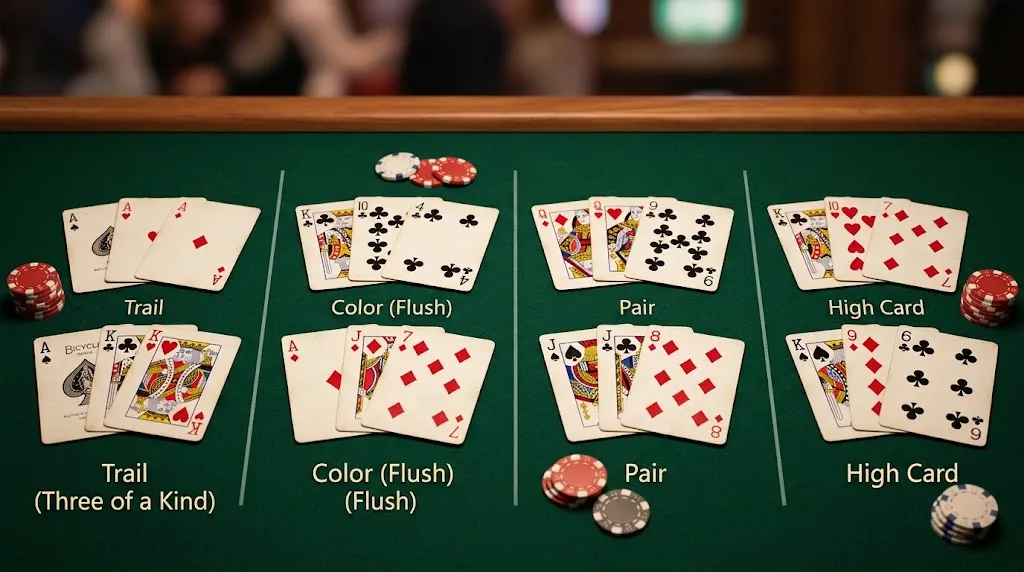
Hand Rankings (Highest to Lowest)

These rankings decide the winner in a showdown:

  1. Trail / Trio — Three of a kind (A-A-A is strongest)
  2. Pure Sequence — Three consecutive cards of the same suit (straight flush)
  3. Sequence — Three consecutive cards of mixed suits
  4. Colour — Three identical suit cards (not in order) 
  5. Pair — Two identically ranked cards 
  6. High Card — Highest single card wins when nothing else matches

Note that some Indian tables treat A-2-3 as the highest pure sequence, while others rank A-K-Q highest. Always check the specific table rules.

Why This Flow Feels So Indian

Teen Patti hand rankings from Trail to High Card

The blind-versus-seen choice, the side-show option, and the fast-moving pot create a unique rhythm that players across Maharashtra, Punjab, Delhi, and the rest of India recognise instantly. Online casinos and apps have kept the same core structure while adding timers, auto-deal, and clear stake displays so the classic teen patti casino gameplay stays intact on mobile.

A typical round rarely lasts more than a few minutes once everyone knows the flow. The real skill lies in reading when to stay blind for pressure, when to look and raise, and when to fold early. Once you internalise these steps, every new table feels familiar.

That is how a standard round of Teen Patti works — from the first boot to the final show.

Read More
Teen Patti casino card rankings with three-card hands

Teen Patti Casino Card Rankings: Which Hands Beat Which?

September 12, 2026
by Rosh Blog

Teen Patti casino card rankings with three-card hands

If you’ve ever sat around a table in India during Diwali, Holi, or a late-night session with friends and felt that split-second confusion about whose three cards actually win, this guide is for you. Teen Patti (also called 3 Patti or Flush) is pure Indian card culture, and knowing the exact teen patti casino card rankings separates the confident players from the ones who keep folding good hands or calling bad ones.

Here’s the clear, no-nonsense order used in most home games and online casinos popular with Indian players. Category always comes first. A weak hand in a higher category beats the strongest hand in a lower one.

The Complete Ranking (Highest to Lowest)

  1. Trail / Trio / Set (Three of a Kind)
    Three cards of the same rank.
    Best: A-A-A
    Worst: 2-2-2
    This is the boss. Even the lowest Trail (three 2s) beats every other hand type.
  2. Pure Sequence (Straight Flush / Pakka Sequence)
    Three consecutive cards of the same suit.
    Common high examples: A-K-Q of the same suit or A-2-3 of the same suit (house rules sometimes differ on which ranks higher).
    Lowest usually: 4-3-2 same suit.
    Note: A-K-2 is never a sequence.
  3. Sequence (Run / Straight)
    Three consecutive cards of mixed suits.
    Same ranking order as Pure Sequence.
    A Sequence always beats a Color, even if the Color has higher individual cards.
  4. Color (Flush)
    Three cards of the same suit that are not consecutive.
    Compared by highest card, then second, then third.
    Example: A-K-7 of hearts beats A-Q-10 of spades.
  5. Pair
    Two cards of the same rank + one kicker.
    Higher pair wins. If pairs are equal, the kicker decides.
    Best: A-A-K
    Worst: 2-2-3
  6. High Card
    Nothing matches. No pair, no sequence, no color.
    Highest card first, then second, then third.
    A-K-J mixed suits is strong here; 5-3-2 is weak.

Quick “What Beats What” Memory Aid

  • Trail beats Pure Sequence
  • Pure Sequence beats Sequence
  • Sequence beats Color
  • Color beats Pair
  • Pair beats High Card

This is the single most useful thing to remember. Many new players assume Color (same suit) should rank above Sequence because it “looks prettier.” In Teen Patti it does not. Sequence is rarer in the three-card format, so it ranks higher.

How Ties Are Broken

Teen Patti tie breaker examples for card rankings

When two players have the same category:

  • Trail vs Trail: Higher rank wins (Aces beat Kings, etc.). Identical Trails are almost impossible with one deck.
  • Pure Sequence / Sequence: Higher top card (or the accepted A-2-3 / A-K-Q order of the table).
  • Color: Highest card, then next, then lowest.
  • Pair: Higher pair, then higher kicker.
  • High Card: Highest card, then second, then third.

Some tables also use suit order (Spades > Hearts > Diamonds > Clubs) as a final tiebreaker, but this is not universal. Always confirm the house rule before the first hand.

Why These Rankings Feel Different from Poker

In five-card poker a Straight Flush is rarer and ranks above Three of a Kind. In three-card Teen Patti the probabilities flip slightly, and the cultural ranking (inherited from older Brag-style games) puts Trail on top. Online casinos popular among Indian players almost always stick to the Trail > Pure Sequence > Sequence > Color > Pair > High Card order.

Practical Tips for Indian Players

  • At family gatherings or local clubs, the rules are usually the classic ones above. Online apps and casinos sometimes highlight “A-2-3 pure sequence” as special or use slightly different sequence top ranks—check the info button.
  • Sequence vs Color is the most common argument. Memorize it once and you’ll avoid 90% of table disputes.
  • Bluffing works better when you understand relative strength. A mid-range Sequence is stronger than many people realize.

Frequently Asked Questions

Does Trail always beat Pure Sequence?

Yes. Three 2s beat A-K-Q of the same suit.

Is A-2-3 a valid sequence?

Yes, and many tables treat it as the highest sequence. A-K-2 is never valid.

Does Color beat Sequence?

No. Sequence ranks higher.

What is the strongest possible hand?

A-A-A (Trail of Aces).

Are the rankings the same in online Teen Patti casinos in India?

Yes for the vast majority of legitimate platforms. Variations like Muflis reverse the entire order (lowest wins), but standard tables follow the ranking above.

Master these teen patti casino card rankings and the next time the cards hit the table—whether it’s a festive family game in Delhi, Mumbai, or an online session—you’ll know exactly which hands beat which without second-guessing. Play smart, stay sharp, and enjoy the game the way it’s meant to be played.

Read More
  • 1
  • 2
  • 3
  • ...
  • 14
  • Next
  • Last

Recent Posts

  • Teen Patti Casino Variations: Popular Versions Explained
  • Teen Patti Casino Showdown Rules: How Winners Are Decided
  • Teen Patti Casino Blind vs Seen: Key Differences Explained
  • Teen Patti Casino Betting Rounds Explained Step by Step
  • Teen Patti Casino Gameplay: How a Typical Round Works

Recent Comments

  1. @SEO_CARTEL IN TELEGRAM - SEO BACKLINKS, BULK LINK POSTING, BOOST SEO RANKING - HTTPS://T.ME/SEO_CARTEL - Illustrado Magazine - Filipino Abroad on 3 Patti Cash Withdrawal 50

Archives

  • September 2026
  • August 2026
  • July 2026
  • July 2025
  • December 2024
  • November 2024
  • October 2024
  • September 2024
  • August 2024
  • July 2024
  • June 2024
  • May 2024
  • April 2024
  • March 2024
  • February 2024

Categories

  • Blog

DISCLAIMER

Services not offered in Assam, Arunachal Pradesh, Andhra Pradesh, Telangana, Orissa & Nagaland. Games Suitable for 18 and above.

Teen Patti Stars encourages all its players to play responsibly. Stay in control, stay entertained!.

  • Facebook
  • Twitter
  • Telegram
  • Whatsapp

QUICK LINKS

Blogs
Big Agent India
Teen Patti Rajasthan
Teen Patti Gujarat
Teen Patti Bihar
Earning With Teen Patti

Copyright © 2026 Teen Patti Stars | Powered by Teen Patti Star

Shopping Basket
  • About Agency
  • Agent Plans
  • Rules
  • Why Join
  • How to Join
  • Step
START NOW

Contact Form

Please fill in the form below and we will be with your shortly!