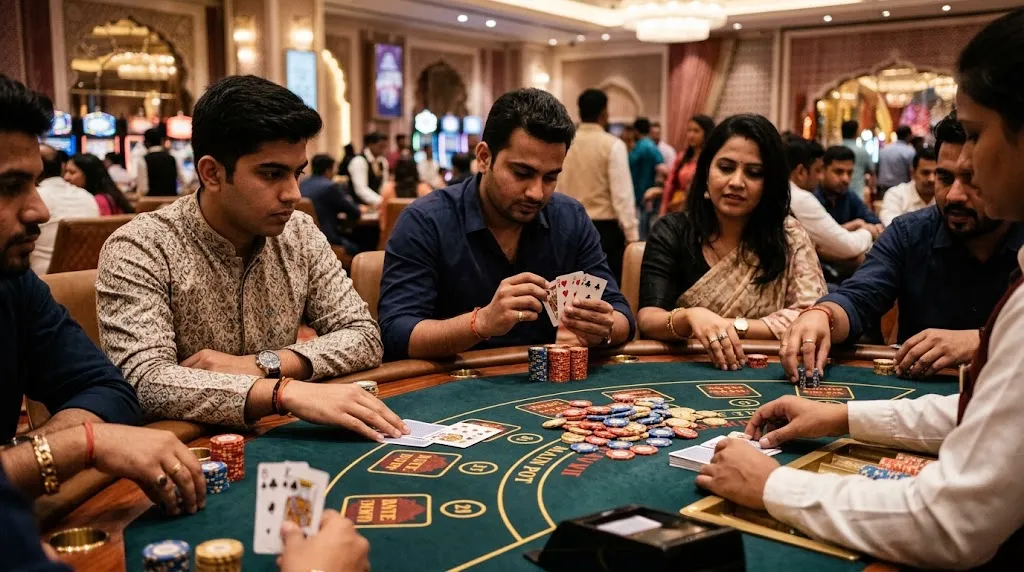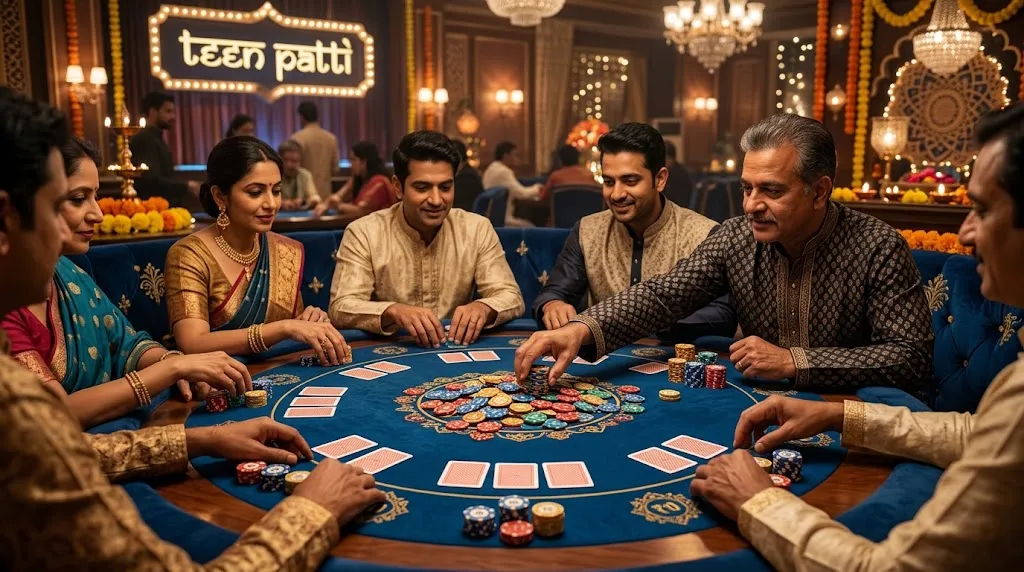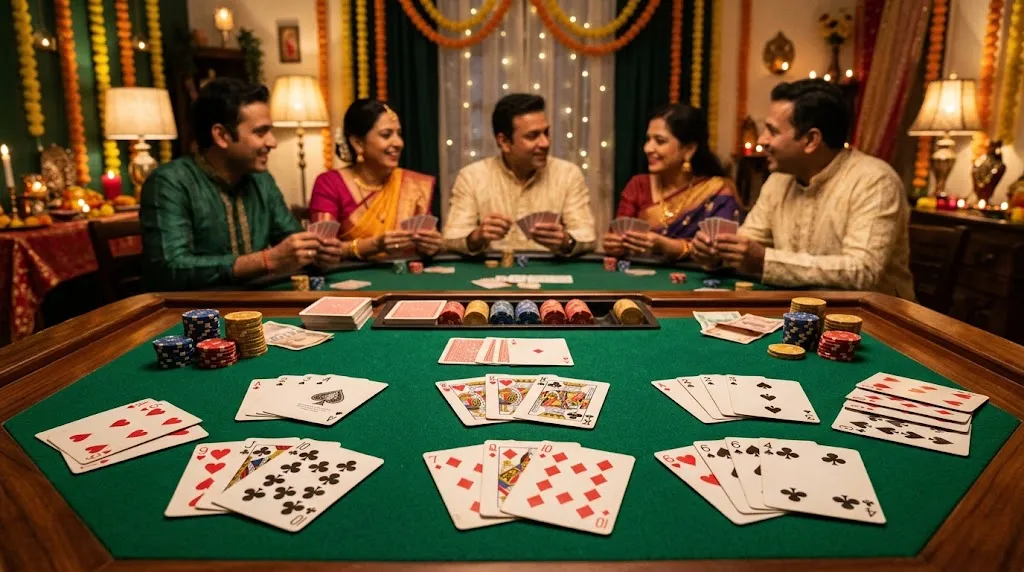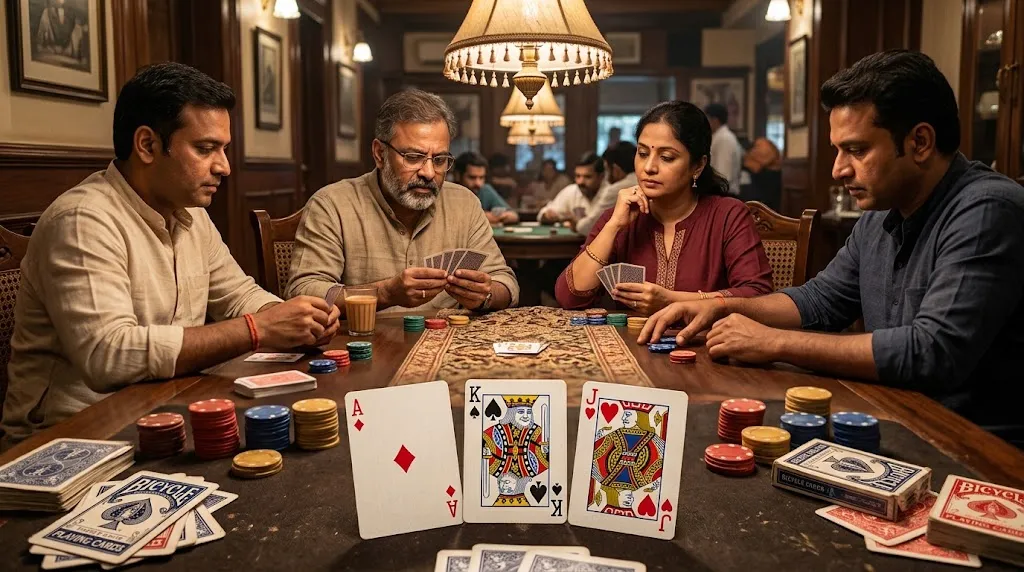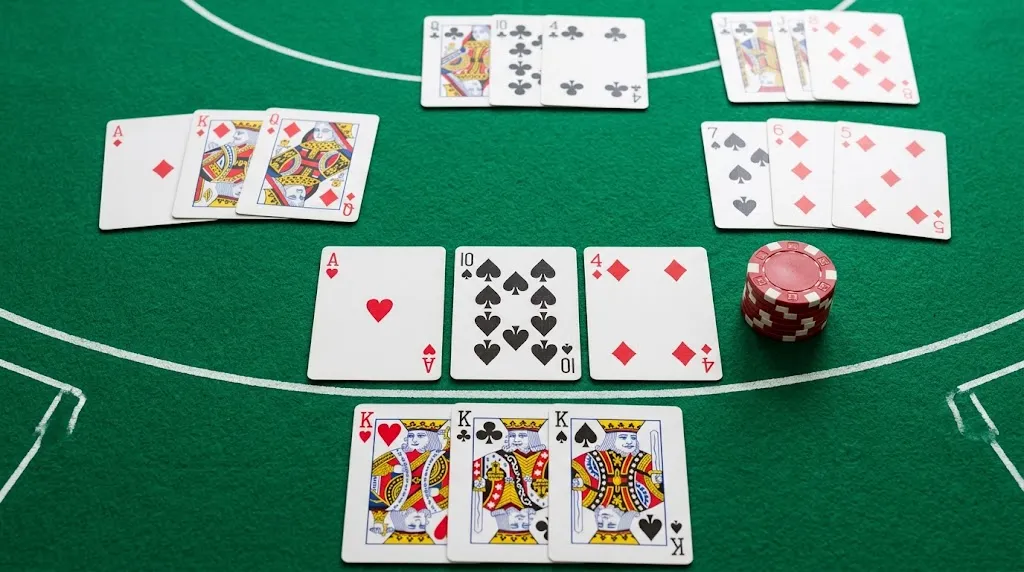

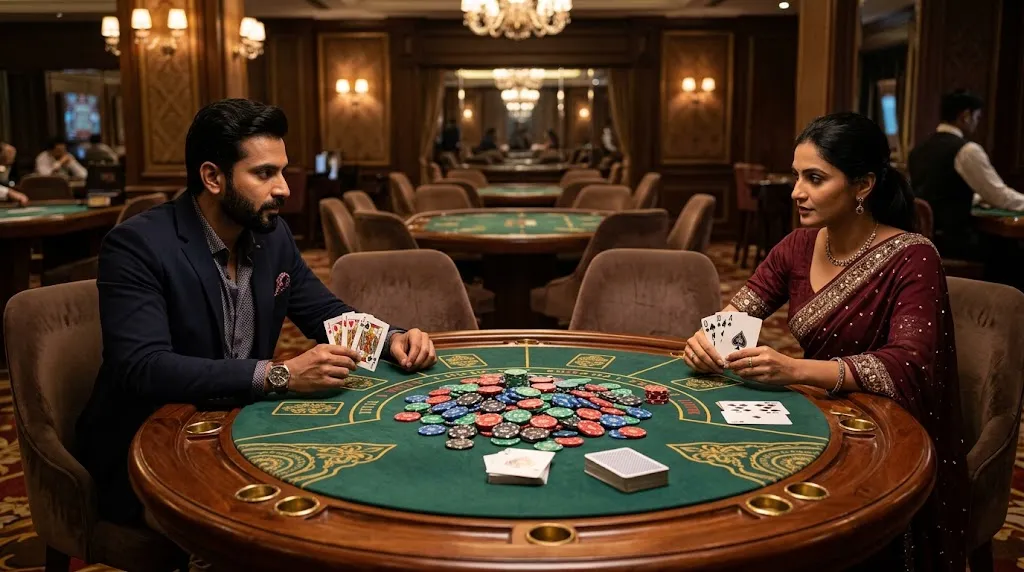
Teen Patti remains one of India’s most loved card games, whether played around a family table in Mumbai, at Diwali gatherings in Delhi, or on licensed online platforms. At the heart of every exciting round sits the showdown—the moment when remaining players finally reveal their cards and the winner takes the pot. Understanding teen patti casino showdown rules helps players make smarter decisions, avoid costly mistakes, and enjoy the game the way it is meant to be played across India.
This guide explains exactly how winners are decided in the showdown, including the key differences between blind and seen play, cost of requesting a show, hand rankings, and what happens in case of a tie. The rules described here reflect the most widely followed version used in homes, clubs, and many online Teen Patti tables popular in India.
When Does a Showdown Happen?
A showdown (commonly called “Show”) can take place only when exactly two players remain in the hand. All other players must have folded. If only one player is left, that player wins the entire pot automatically—no cards need to be shown. This rule rewards strong bluffing as much as strong hands, which is why Teen Patti feels so lively at Indian tables.
Once two players are left, either of them can request a Show on their turn, subject to specific conditions based on whether they are playing blind or seen.
Cost of Requesting a Show
The amount a player must pay into the pot to force the showdown depends on their status:
- Both players blind: Either player can request the Show by paying 1× the current stake.
- One blind, one seen: Only the blind player is allowed to request the Show. The cost is 1× the current stake. The seen player cannot force a show and must either continue betting or fold.
- Both players seen: Either player can request the Show by paying 2× the current stake.
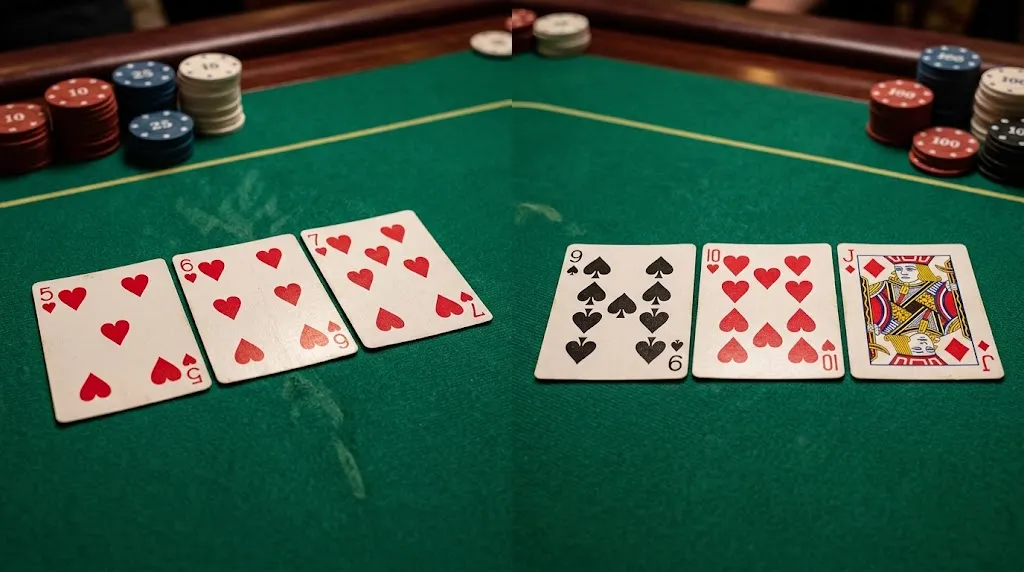
After the payment is made, both players reveal their three cards. The higher-ranking hand wins the full pot.
How Hands Are Ranked in the Showdown
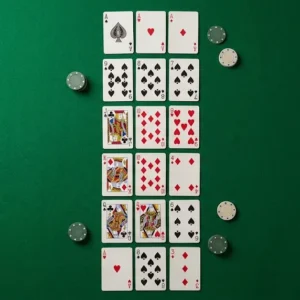
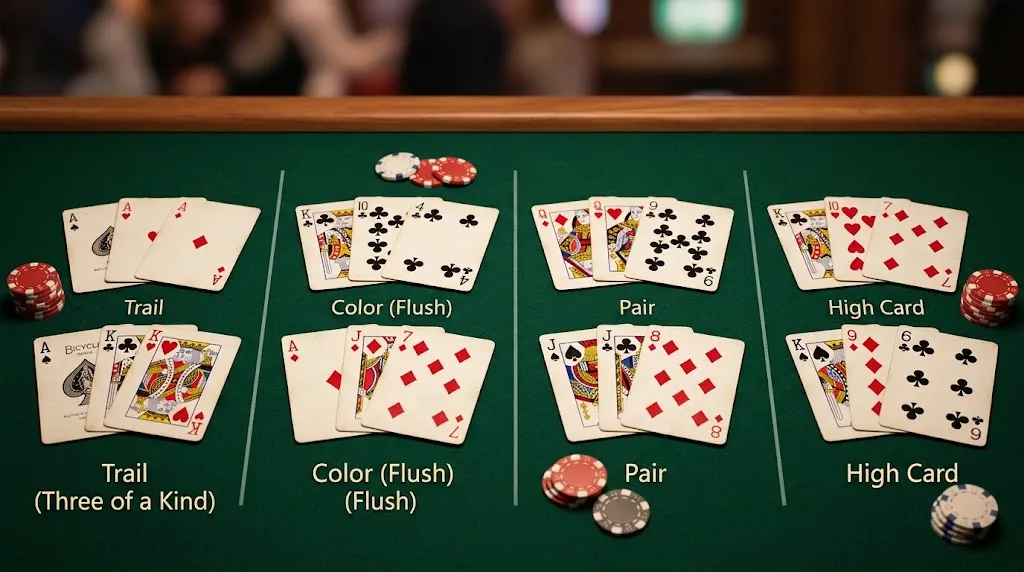
Winners are decided strictly by hand strength. The standard ranking order used across most Indian tables and online platforms is:
- Trail (Three of a Kind) – Three cards of the same rank (A-A-A is the strongest).
- Pure Sequence (Straight Flush) – Three consecutive cards of the same suit (A-K-Q suited is highest; A-2-3 suited ranks next in many house rules).
- Sequence (Straight) – Three consecutive cards of mixed suits.
- Colour (Flush) – Three cards of the same suit, not in sequence.
- Pair – Two cards of the same rank plus one kicker.
- High Card – None of the above; the highest card (or combination of high cards) decides.
When two hands are of the same type, the higher cards within that type win. For pairs, the pair rank is compared first, then the kicker. For sequences and pure sequences, the highest card in the run usually decides. Always confirm any local house variations before play begins, especially in private games across different cities.
What Happens in a Tie?

This is one of the most important parts of teen patti casino showdown rules. If both players reveal hands of exactly equal rank and value, the player who did not pay for the Show wins the pot. The player who requested the show loses the tie. This rule adds genuine risk to calling for a show and prevents players from forcing comparisons lightly.
Note that some online platforms or specific casino variants may handle exact ties differently (for example by splitting the pot). Always check the table rules displayed on the platform you are using.
Difference Between Show and Sideshow
Players often confuse the final Show with a Sideshow (also called Compromise or Backshow). They are different:
- A Sideshow can only be requested when three or more players are still active and both involved players have seen their cards. It is a private comparison with the previous bettor. The weaker hand must fold. If the hands are equal, the player who requested the sideshow folds.
- The Show is the final public reveal that happens only between the last two players and decides the winner of the entire pot.
Sideshows are strategic tools used earlier in the hand to eliminate weaker opponents without ending the round. Many fast online tables in India limit or disable sideshows to keep games moving quickly.
Practical Tips for Indian Players
- Play blind carefully when only two players remain. A blind player holds the power to force a show more cheaply and can put pressure on a seen opponent.
- Never request a show with a marginal hand if you are the one who has to pay double the stake. The tie rule works against the requester.
- Agree on hand rankings and tie rules at the start of any private game, especially during festive gatherings in different regions of India where minor local variations exist.
- On online platforms, read the specific table rules. Most reputable sites follow the classic structure described above, but stake limits, blind play restrictions, and exact tie handling can differ.
Why These Rules Matter
The showdown is where skill, nerve, and a bit of luck meet. Understanding teen patti casino showdown rules lets you decide when to press for a reveal, when to fold, and when a bluff has done its job. Whether you are playing casually with friends in Bengaluru, at a family event in Kolkata, or on a regulated online table, clear knowledge of how winners are decided keeps the game fair and exciting.
Master the ranking order, respect the cost differences between blind and seen play, and remember the tie-breaker: the player who did not pay for the show wins equal hands. That combination of knowledge is what separates confident players from those who leave money on the table.
Play responsibly, enjoy the thrill of the reveal, and may your next showdown end with the pot coming your way.